Tech Demos
Here are some of my technical demonstrations showcasing various algorithms, tools, and techniques I've worked on.
A* Pathfinding Algorithm
Description: This demo showcases a pathfinding algorithm implemented in cpp. The algorithm finds the shortest path between two points in a map,considering unreachable nodes.
Technologies Used: C++, easyx
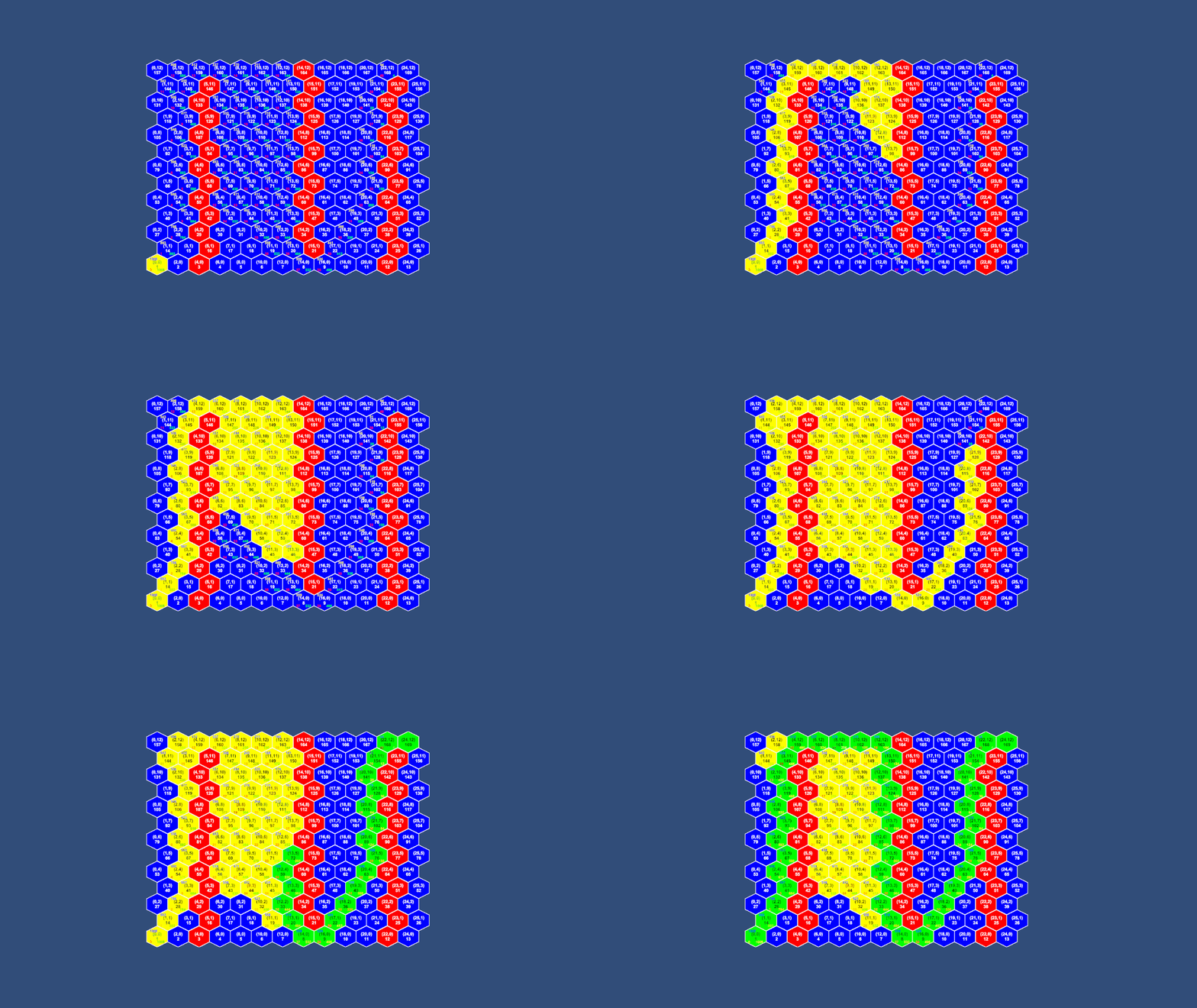
/* Astar path finding algorithm
* return a vector of nodes
* empty vector means no path was found
*/
vector> PathFinder::FindPathAstar(pair start, pair end) {
    vector> path;
    if (node_matrix[end.first][end.second].flag == NOPASS) {
        //unreachable
        cerr << "failed to find path" << endl;
        return path;
    }


    priority_queue, CompareNode> open_list = {};

    vector> astarNodes(ROW_TOTAL, vector(COL_TOTAL));

    //initialize all nodes with x,y,z value
    for (int i = 0; i < ROW_TOTAL; i++) {
        for (int j = 1; j < COL_TOTAL; j++) {
            astarNodes[i][j].row = i;
            astarNodes[i][j].col = j;
            astarNodes[i][j].pass = node_matrix[i][j].flag;
        }
    }


    //game map node matrix
    AstarNode* curr = &(astarNodes[start.first][start.second]);


    curr->row = start.first;
    curr->col = start.second;
    curr->close = false;
    curr->open = true;
    curr->G = 0;
    curr->H = Manhattan(start.first, start.second, end.first, end.second);
    curr->F = curr->G + curr->H;

    open_list.push(curr);

    while (!open_list.empty()) {

        curr = open_list.top();
        open_list.pop();
        curr->open = false;
        curr->close = true;

        //end loop if reach destination node
        if (curr->row == end.first && curr->col == end.second) {
            break;
        }
        TheGameMap::Instance()->HightlightGrid(curr->row, curr->col);
        /*FlushBatchDraw();
        Sleep(50);*/

        //get all neighbors
        vector> neighbors = GetNeighbors(curr);
        for (auto it = neighbors.begin(); it != neighbors.end(); it++) {
            AstarNode* node = &(astarNodes[it->first][it->second]);
            //pass node which is unreachable or in close list
            if (node->close || node->pass == NOPASS) {
                continue;
            }
            else if (node_matrix[it->first][it->second].x == 0) {
                continue;
            }
            //if in open list
            if (node->open) {
                //Calculate the G value from the start point to the node, passing through curr.
                int G = curr->G + 1;
                if (G < node->G) {
                    //if new G is little , update G value
                    node->G = G;
                    node->F = G + node->H;
                    // set curr to node's parent
                    node->parent = curr;
                }
            }
            else {
                //in neither close list nor open list
                //calculate G\H\F , add to open list
                node->G = curr->G + 1;
                node->H = Manhattan(node->row, node->col, end.first, end.second);
                node->F = node->G + node->H;
                node->open = true;
                node->parent = curr;
                open_list.push(node);
                TheGameMap::Instance()->HightlightGrid(node->row, node->col);
            }

        }//end for

    }//end while

    //generate path vector
    while (curr) {
        path.push_back({ curr->row,curr->col });
        curr = curr->parent;
    }
    //reverse path
    reverse(path.begin(), path.end());
    return path;

}
3D Simulation
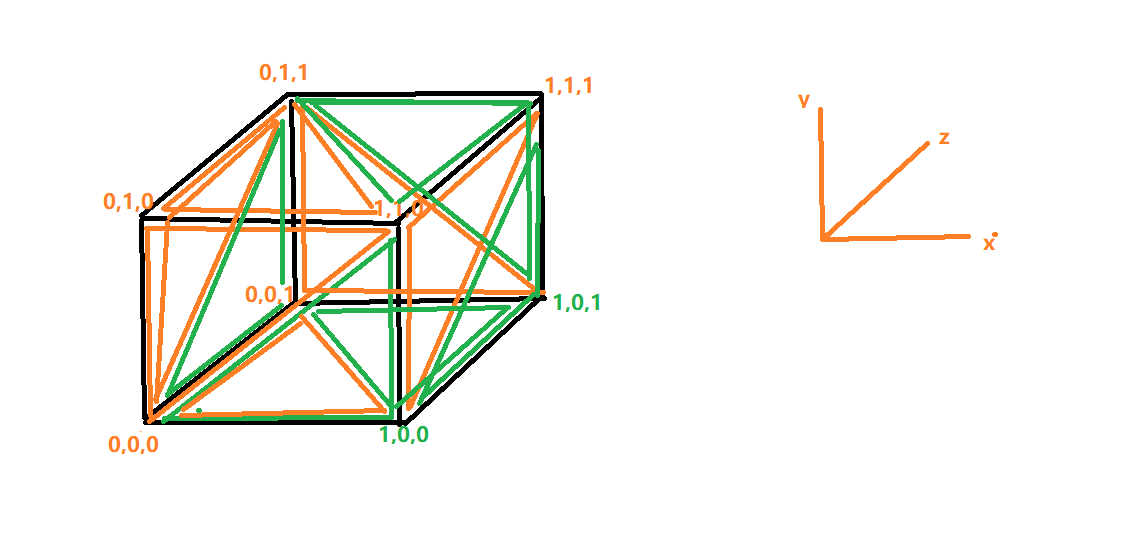
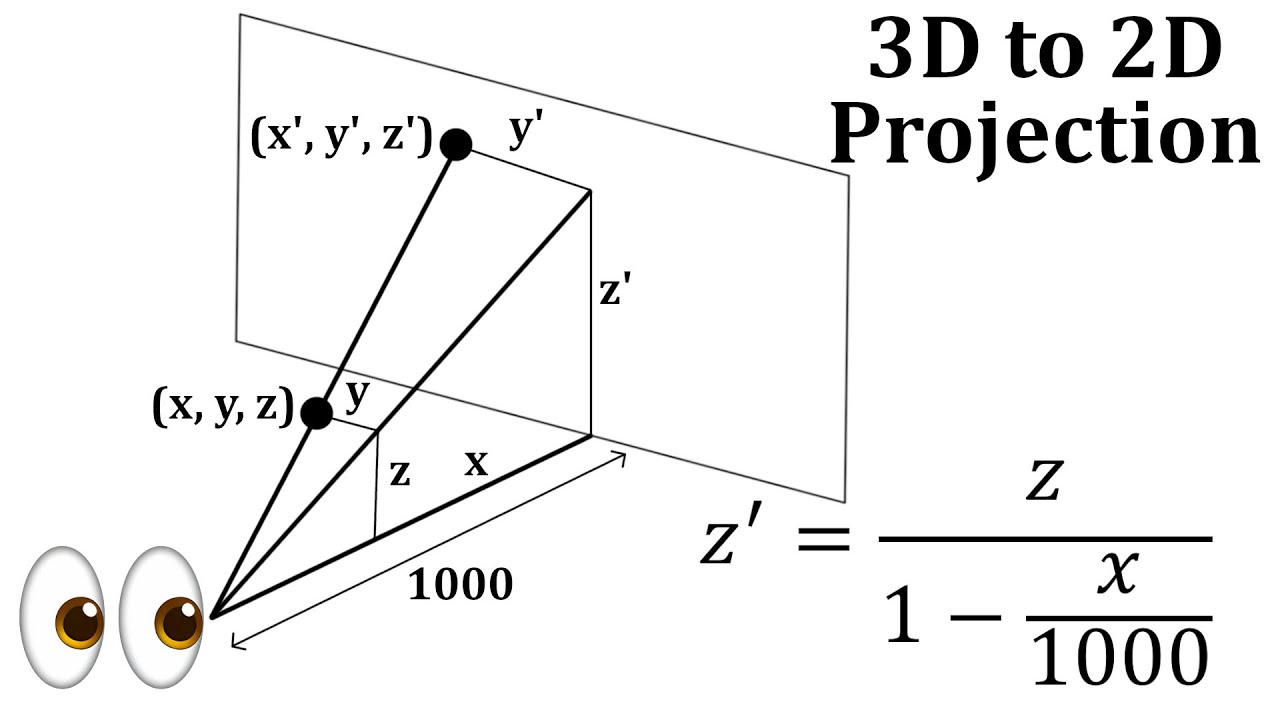
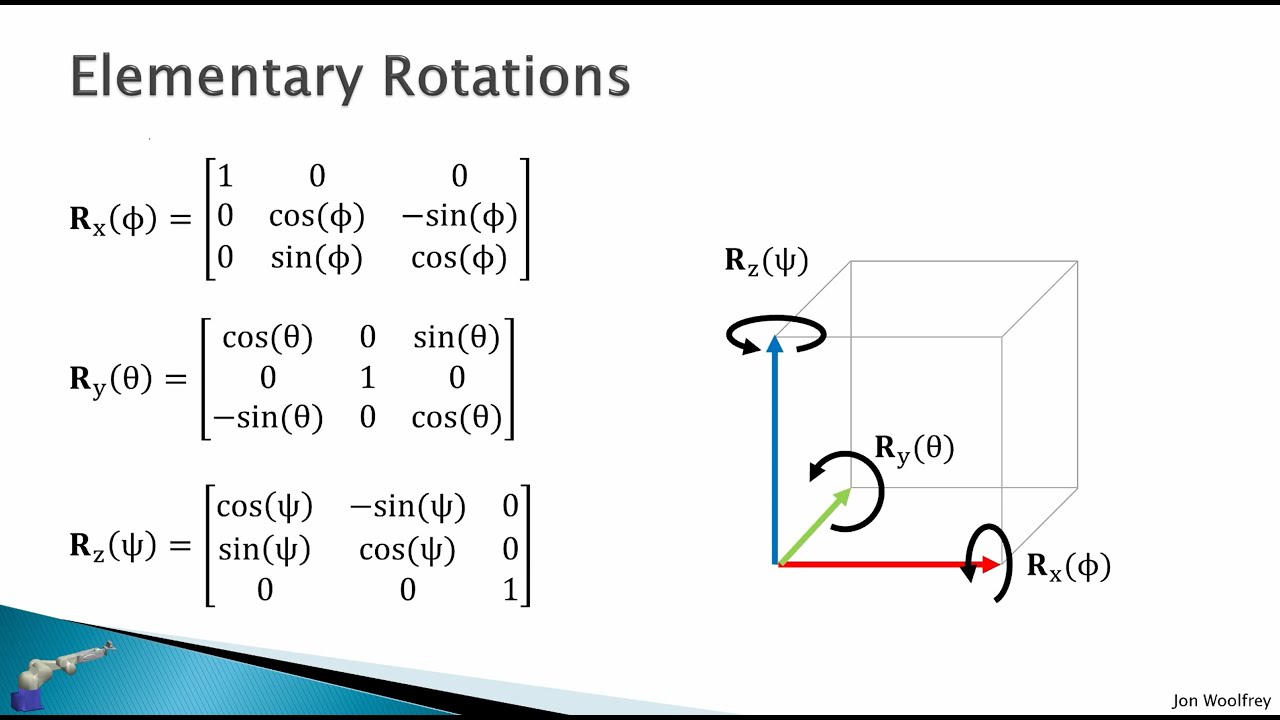
Description: This demo showcases a simple 3D simulation using C++ and the olcPixelGameEngine. It simulate a cube rotation, it rotates around x-axis and z-axis
Technologies Used: C++, olcPixelGameEngine
#pragma once
#include "olcPixelGameEngine.h"
#include
//#include
#include
using namespace std;

using std::vector;

class vec3d {
public:
	float x;
	float y;
	float z;
	vec3d() = default;
	vec3d(float x,float y,float z):x(x),y(y),z(z){}
};

class Triangle {
public:
	vec3d p[3];
	Triangle() = default;
	Triangle(vec3d p0,vec3d p1,vec3d p2);
	void draw();
};


class Mesh {
public:
	vector tris;
};

struct Mat4x4 {
	float mat[4][4];
};


void multiplyMatVec(const vec3d& inVec, vec3d& outVec, Mat4x4& mat4x4);
class Shape3D : public olc::PixelGameEngine
{
public:
	Mesh meshCube;
	Mat4x4 projectMat = { 0 };
	float fTheta;

	Shape3D()
	{
		sAppName = "3D Cube";
	}


	bool OnUserCreate() override{
		//initgraph(ScreenWidth(), ScreenHeight(), EX_SHOWCONSOLE);
		fTheta = 0;
		float zNear = 0.10f;
		float zFar = 1000.0f;
		float theta = 90.0f;
		float fTan = 1.0f / tanf(0.5f * theta / 180.0f * 3.1415f);// degree to radian
		float aspectRatio = ((float)ScreenHeight() / (float)ScreenWidth());
		projectMat.mat[0][0] = aspectRatio * fTan;
		projectMat.mat[1][1] = fTan;
		projectMat.mat[2][2] = zFar / (zFar - zNear);
		projectMat.mat[2][3] = 1.0f;
		projectMat.mat[3][2] = -zNear * zFar / (zFar - zNear);
		projectMat.mat[3][3] = 0.0f;

		//初始化栅格正方形
		meshCube.tris = {
			{{0.0f,0.0f,0.0f},{0.0f,1.0f,0.0f},{1.0f,0.0f,0.0f}},
			{{0.0f,0.0f,0.0f},{1.0f,1.0f,0.0f},{1.0f,0.0f,0.0f}},//SOUTH

			{{0.0f,1.0f,1.0f},{1.0f,0.0f,1.0f},{0.0f,0.0f,1.0f}},
			{{0.0f,1.0f,1.0f},{1.0f,1.0f,1.0f},{1.0f,0.0f,1.0f}},//NORTH

			{{1.0f,1.0f,0.0f},{1.0f,1.0f,1.0f},{1.0f,0.0f,0.0f}},
			{{1.0f,1.0f,1.0f},{1.0f,0.0f,1.0f},{1.0f,0.0f,0.0f}},//EAST

			{{0.0f,1.0f,1.0f},{0.0f,0.0f,0.0f},{0.0f,1.0f,0.0f}},
			{{0.0f,1.0f,1.0f},{0.0f,0.0f,1.0f},{0.0f,0.0f,0.0f}},//WEST

			{{0.0f,1.0f,1.0f},{1.0f,1.0f,0.0f},{0.0f,1.0f,0.0f}},
			{{0.0f,1.0f,1.0f},{1.0f,1.0f,1.0f},{1.0f,1.0f,0.0f}},//TOP

			{{0.0f,0.0f,1.0f},{1.0f,0.0f,1.0f},{0.0f,0.0f,0.0f}},
			{{0.0f,0.0f,0.0f},{1.0f,0.0f,1.0f},{1.0f,0.0f,0.0f}},//BOTTOM

		};
		return true;
	}
	bool OnUserUpdate(float elapsedTime)override {
		// Erase previous frame
		Clear(olc::DARK_BLUE);
		fTheta += 1.0f * elapsedTime;

		Mat4x4 matRotZ = { 0 };
		Mat4x4 matRotX = { 0 };

		matRotZ.mat[0][0] = cosf(fTheta);
		matRotZ.mat[0][1] = sinf(fTheta);
		matRotZ.mat[1][0] = -sinf(fTheta);
		matRotZ.mat[1][1] = cosf(fTheta);
		matRotZ.mat[2][2] = 1.0f;
		matRotZ.mat[3][3] = 1.0f;

		matRotX.mat[0][0] = 1.0f;
		matRotX.mat[1][1] = cosf(0.5f * fTheta);
		matRotX.mat[1][2] = sinf(0.5f * fTheta);
		matRotX.mat[2][1] = -sinf(0.5f * fTheta);
		matRotX.mat[2][2] = cosf(0.5f * fTheta);
		matRotX.mat[3][3] = 1.0f;

		for (const auto& tri : meshCube.tris) {

			Triangle triRotatedZ;
			Triangle triRotatedZX;

			multiplyMatVec(tri.p[0], triRotatedZ.p[0], matRotZ);
			multiplyMatVec(tri.p[1], triRotatedZ.p[1], matRotZ);
			multiplyMatVec(tri.p[2], triRotatedZ.p[2], matRotZ);

			multiplyMatVec(triRotatedZ.p[0], triRotatedZX.p[0], matRotX);
			multiplyMatVec(triRotatedZ.p[1], triRotatedZX.p[1], matRotX);
			multiplyMatVec(triRotatedZ.p[2], triRotatedZX.p[2], matRotX);

			Triangle triTranslated;
			triTranslated = triRotatedZX;
			triTranslated.p[0].z = triRotatedZX.p[0].z + 3.0f;
			triTranslated.p[1].z = triRotatedZX.p[1].z + 3.0f;
			triTranslated.p[2].z = triRotatedZX.p[2].z + 3.0f;

			Triangle projectedTri;
			multiplyMatVec(triTranslated.p[0], projectedTri.p[0], projectMat);
			multiplyMatVec(triTranslated.p[1], projectedTri.p[1], projectMat);
			multiplyMatVec(triTranslated.p[2], projectedTri.p[2], projectMat);


			//scale to view

			projectedTri.p[0].x += 1.0f;		projectedTri.p[0].y += 1.0f;
			projectedTri.p[1].x += 1.0f;		projectedTri.p[1].y += 1.0f;
			projectedTri.p[2].x += 1.0f;		projectedTri.p[2].y += 1.0f;


			projectedTri.p[0].x *= 0.5f * (float)ScreenWidth();
			projectedTri.p[0].y *= 0.5f * (float)ScreenHeight();
			projectedTri.p[1].x *= 0.5f * (float)ScreenWidth();
			projectedTri.p[1].y *= 0.5f * (float)ScreenHeight();
			projectedTri.p[2].x *= 0.5f * (float)ScreenWidth();
			projectedTri.p[2].y *= 0.5f * (float)ScreenHeight();


			DrawLine(projectedTri.p[0].x, projectedTri.p[0].y, projectedTri.p[1].x, projectedTri.p[1].y, olc::YELLOW);
			DrawLine(projectedTri.p[1].x, projectedTri.p[1].y, projectedTri.p[2].x, projectedTri.p[2].y, olc::YELLOW);
			DrawLine(projectedTri.p[2].x, projectedTri.p[2].y, projectedTri.p[0].x, projectedTri.p[0].y, olc::YELLOW);

		}

		//EndBatchDraw();
		return true;
	}

};
Rigid-Body dynamics simulation
Description: This demo showcases a simple Physics simulation using C++ and the olcPixelGameEngine. Player can play ice hockey with an AI.
Technologies Used: C++, olcPixelGameEngine
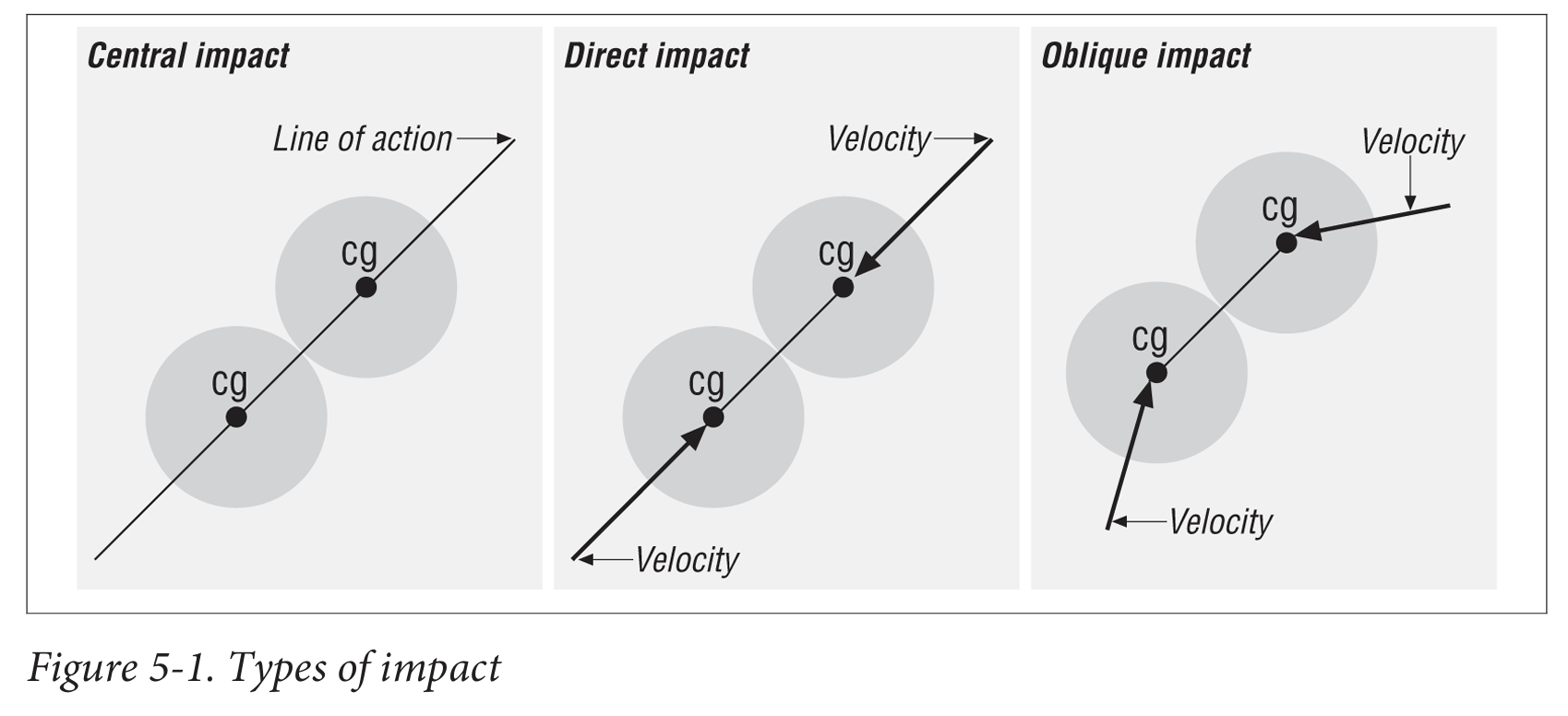
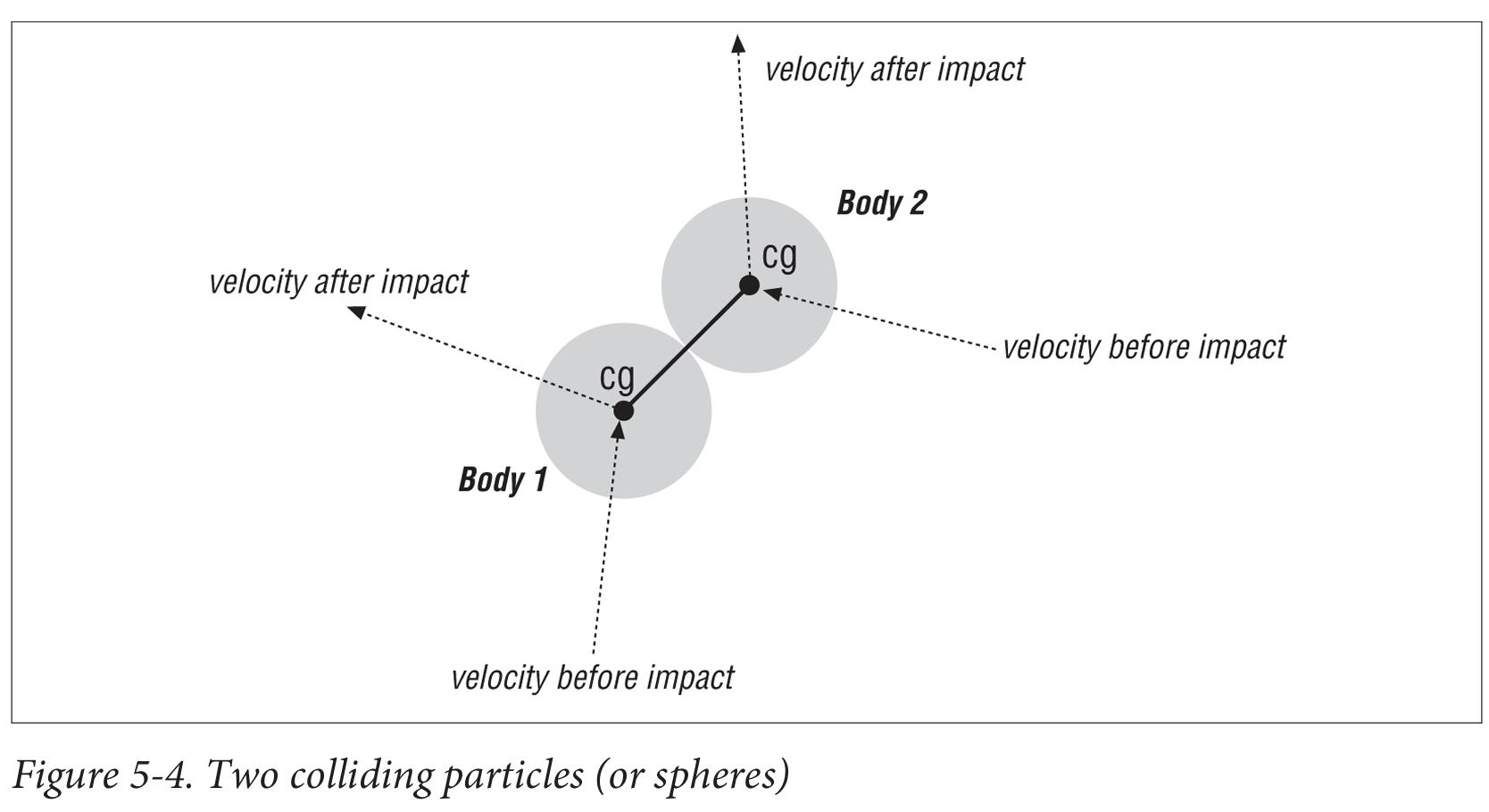
collision algorithm code from [Physics for Game Developers: Science, math, and code for realistic effects CHAPTER 10]
int CheckForCollision (pRigidBody2D body1, pRigidBody2D body2)
{
    Vector    d;
    float     r;
    int       retval = 0;
    float     s;
    Vector    v1, v2;
    float     Vrn;
    r = body1->ColRadius + body2->ColRadius;
    d = body1->vPosition - body2->vPosition;
    s = d.Magnitude() - r;
    d.Normalize();
    vCollisionNormal = d;
    v1 = body1->vVelocity;
    v2 = body2->vVelocity;
    vRelativeVelocity = v1 - v2;
    Vrn = vRelativeVelocity * vCollisionNormal;
    if((fabs(s) <= ctol) && (Vrn < 0.0))
    {
        retval = 1; // collision;
        CollisionBody1 = body1;
        CollisionBody2 = body2;
    } else      if(s < -ctol)
    {
        retval = −1; // interpenetrating
    } else
        retval = 0; // no collision
    return retval;
}

 void     ApplyImpulse(pRigidBody2D body1, pRigidBody2D body2)
 {
     float j;
     j =  (-(1+fCr) * (vRelativeVelocity*vCollisionNormal)) /
          ( (vCollisionNormal*vCollisionNormal) *
            (1/body1->fMass + 1/body2->fMass) );
     body1->vVelocity += (j * vCollisionNormal) / body1->fMass;
     body2->vVelocity -= (j * vCollisionNormal) / body2->fMass;
 }
My implementation, include collsion detection and response
void IceHockey::CollisionResponse(Paddle& paddle) {

	olc::vf2d vPaddle = paddle.v;
	olc::vf2d vRelative = puck.velocity - vPaddle;
	olc::vf2d vDis = puck.position - paddle.pos;
	olc::vf2d vNormal = vDis.norm();//normalize of collision
	float vRn = vRelative.dot(vNormal);
	float dis = vDis.mag();
	float sumR = paddle.outerR + puck.radius;
	// Distance is less than the sum of the radius, and relative speed is positive.
	if (dis < sumR && vRn<0.0f) {

		float j = -2.0f * vRn / vNormal.dot(vNormal);
		j /= (1.0f / paddle.mass + 1.0f / puck.mass);
		puck.velocity += j * vNormal * 1.0f / puck.mass;
		paddle.v -= j * vNormal * 1.0f / paddle.mass;

		PlaySound(NULL, 0, 0);//stop all sound
		PlaySound(bound_sound_file, NULL, SND_FILENAME | SND_ASYNC);//play bound sound

		//set a new position
		paddle.pos -= (sumR-dis)*vDis.norm();

	}

}